Music changes a trail ride. It turns a long dusty climb into part of the fun and makes a dune session feel like an event. But a side-by-side is a tough place for audio. It’s open to wind, dust, mud, and engine noise, and the right setup depends on how many seats you’re filling. The three most popular options are a UTV audio roof, a sound bar, and speaker pods, and each one solves the problem differently.
We’ve built powersports audio for years, and this guide explains how each format works, how they compare, and how to plan a UTV sound system layout for a 2-seat or 4-seat machine.
UTV Audio Roof vs Sound Bar vs Speaker Pods at a Glance
|
|
UTV audio roof |
Sound bar |
Speaker pods |
|
What it is |
A replacement roof with built-in speakers, and often lighting and amplification |
A single enclosure holding several speakers, mounted to the roll cage |
Individual speaker enclosures clamped to the cage |
|
Coverage |
Even sound over every seat |
Strong for front seats; reaches rear seats on a 4-seater if placed well |
Flexible; aim each pod where you need it |
|
Install |
Replaces the roof; the most involved |
Clamps to a cage bar; usually the simplest |
Clamps to the cage; wiring for each pair |
|
Look |
Clean and integrated |
Visible bar, compact |
Visible pods, sporty |
|
Best for |
Four-seaters and riders who want a finished, factory-style look |
Quick, all-in-one upgrades |
Custom layouts and expandable systems |
The UTV Audio Roof: Integrated Sound Over Every Seat
A UTV audio roof replaces your machine’s standard top with a roof that has speakers molded right into it. Because the speakers sit directly above the occupants and fire downward, everyone hears roughly the same mix, whether they’re in the driver’s seat or the back row. Nothing hangs off the cage, so the cab stays open and the look stays clean.
That even, overhead coverage is the biggest advantage of a UTV audio roof, especially in a 4-seat machine where rear passengers often get shortchanged. Roofs also protect the speakers from direct sun and much of the mud and debris that the front of a machine takes on. Many audio roofs are designed to work with dedicated amplification, which gives them the output to stay clear over engine and wind noise at speed.
The trade-offs are cost and installation. An audio roof is the most involved of the three formats, since you’re replacing the roof itself, and it needs to be built for your specific machine. If you want a finished, built-in look and you carry passengers, though, it’s hard to beat.
The Sound Bar: Simple, Compact, All-in-One
A sound bar packs several speakers, and often an amplifier and Bluetooth receiver, into one weather-resistant enclosure that clamps to a bar on the roll cage. It’s the most straightforward way to add serious sound, because a single unit covers what would otherwise take several separate components.
On a 2-seater, a sound bar mounted overhead or just behind the front seats fills the cab easily. On a 4-seater, placement matters more. A bar mounted between the front and rear rows can serve both, and some riders add a second bar or pods to bring the back seat up to the same level. Because the electronics live inside the bar, wiring is usually limited to power, ground, and a switch or remote.
Sound bars give up some flexibility. You can’t aim individual speakers, and the bar’s size and mounting position are fixed. For riders who want a big upgrade with a clean, simple install, though, a sound bar is the fastest path there.
Side by Side Speaker Pods: Flexible and Expandable
Side by side speaker pods are individual weather-resistant enclosures that clamp to the roll cage. Each pod holds a speaker, and you can mount pairs wherever they work best: at the front pillars, overhead, behind the seats, or facing the back row.
That flexibility is the reason riders love pods. You can aim each pair at the people who need to hear it, start with two pods, and add more later. Pods also make it easy to build a true front-and-rear system on a 4-seater, with each row getting its own speakers. Paired with a dedicated amplifier, pods can deliver some of the highest output of any UTV format.
The trade-off is more planning and more wiring. Each pair needs speaker wire, the amplifier needs a mounting spot, and you’ll want to route everything cleanly away from moving parts and heat. If you enjoy building a system to your exact taste, side by side speaker pods give you the most room to do it.
Planning a UTV Sound System Layout for a 2-Seat Machine
In a 2-seater, everyone sits close together in the front row, which makes coverage much easier. Any of the three formats can work well, so the choice comes down to the look you want and how much work you’re willing to do.
A sound bar mounted overhead is the most popular choice for 2-seaters because it delivers strong sound in one tidy package. A UTV audio roof suits riders who want everything hidden and integrated. A pair of pods at the front pillars, plus an optional pair behind the seats, gives the most customizable result and leaves room to expand. If you ride with the windshield off or at high speed, plan on dedicated amplification so the music stays clear over the wind.
Planning a UTV Sound System Layout for a 4-Seat Machine
A 4-seater is where layout really matters. The rear passengers sit farther from front-mounted speakers and closer to engine noise, so a system that sounds great up front can leave the back row straining to hear.
A UTV audio roof is the most natural fit here, because its overhead speakers cover both rows evenly. If you prefer a sound bar, mount it between the rows, or add a second bar or a pair of pods for the back seat. With pods, the classic layout is one pair aimed at the front row and a second pair aimed at the rear, driven by a four-channel amplifier so each row can be balanced separately. Whatever format you choose, the goal is the same: the person in the back seat should hear the music as clearly as the driver.
Power, Weatherproofing, and Installation Basics
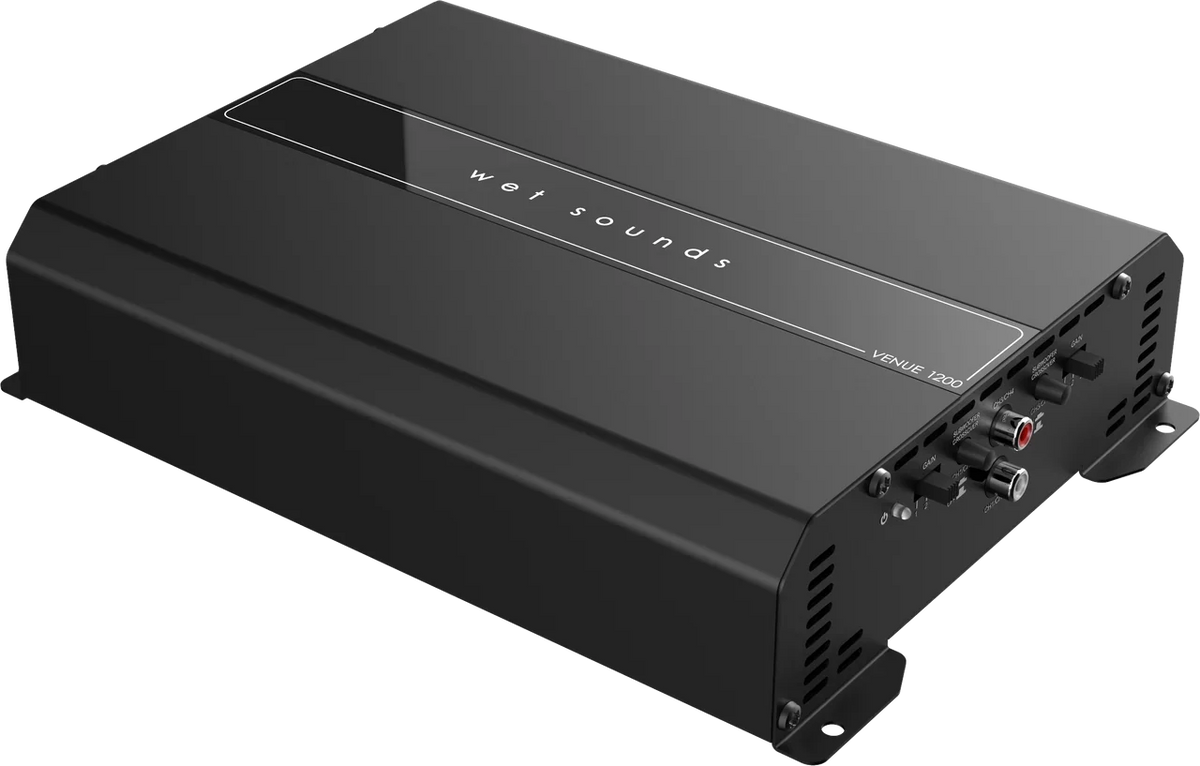
Every UTV audio system depends on solid power. Use properly sized power and ground wires, fuse the main power lead close to the battery, and wire the system through a switch or ignition source so it can’t drain the battery while the machine sits. Larger amplified systems draw more current, so check that your charging system can keep up with the electrical accessories you’re running.
Weather resistance matters just as much. Side-by-sides see dust, mud, water crossings, and pressure washing, so choose speakers, sound bars, and amplifiers rated for those conditions. Route wiring away from exhaust heat and suspension travel, seal connections against moisture, and secure every component so vibration can’t loosen it on rough trails.
Common Mistakes When Planning UTV Audio
The most common mistake is designing for the driver and forgetting the back seat. On a 4-seater, front-only speakers almost always leave rear passengers short. Another is skipping amplification on a system that has to compete with wind and engine noise at speed. Riders also run into trouble by mounting heavy components where they block the view or the grab handles, by ignoring weather ratings, or by leaving the system wired directly to the battery so it drains it between rides. A little planning up front avoids all of them.
Choose the Format That Fits Your Ride
There’s no single best answer in the UTV audio roof vs sound bar vs speaker pods debate. A UTV audio roof gives the cleanest, most even coverage, especially for four seats. A sound bar delivers big sound with the simplest install. Speaker pods offer the most flexibility and the easiest path to expansion. Match the format to your seat count, your riding style, and how much installation you want to take on, and every ride will have the soundtrack it deserves.
Make Every Ride Louder With Wet Sounds
At Wet Sounds, we build powersports audio for the conditions you actually ride in: dust, mud, water, and wide-open throttle. Our audio roofs, sound bars, speaker pods, and amplifiers are engineered to play loud and stay reliable in harsh, open-air environments, for 2-seat and 4-seat machines alike.
Whether you’re planning a UTV audio roof, a sound bar, or a full pod system, our authorized dealers can help you design a layout that fits your machine, and every product is backed by a two-year warranty. Explore our powersports audio lineup, or visit the Wet Sounds homepage to find a dealer near you.
Frequently Asked Questions
1. Is a UTV audio roof better than a sound bar?
A UTV audio roof is usually better for 4-seat machines and riders who want even coverage and a built-in look, because its overhead speakers reach every seat. A sound bar is often better for 2-seaters and riders who want a simpler install at a lower cost. The right choice depends on your seat count, budget, and preferred style.
2. How many speakers do I need in a 4-seat side-by-side?
Most 4-seat side-by-sides need at least four speakers, with one pair covering the front row and another covering the rear. An audio roof can provide this from a single unit overhead. With pods or sound bars, plan for front and rear coverage so back-seat passengers hear the music as clearly as the driver.
3. Do UTV speaker pods need an amplifier?
Side by side speaker pods can play from a head unit or receiver, but they perform much better with a dedicated amplifier. Wind, engine noise, and open air quickly overpower low-power systems. A marine- or powersports-rated amplifier lets pods play louder and cleaner, especially at trail speed.
4. Can I combine an audio roof with speaker pods or a sound bar?
Yes, you can combine formats for more coverage and output. A common approach is a UTV audio roof as the main system with pods added near the front or rear for extra volume. Plan amplifier channels and power carefully so every speaker gets clean power and the system stays balanced.
5. Will a UTV sound system drain my battery?
A UTV sound system can drain the battery if it’s left playing with the engine off or wired to stay on permanently. Wire the system through the ignition or a dedicated switch, and avoid long engine-off listening sessions with large amplified systems. Check that your charging system can support all of your electrical accessories.